Buddhist Pilgrimage in Nepal: Journey to Sacred Sites
Nepal, often regarded as the heart of Buddhism, is a land rich in spiritual heritage and cultural diversity. It is the birthplace of Siddhartha Gautama, who became the Buddha, and has been a significant pilgrimage destination for Buddhists from around the world. The Buddhist pilgrimage in Nepal offers seekers a profound opportunity to explore sacred sites, engage in spiritual practices, and deepen their understanding of Buddhist teachings. This article delves into the significance of Buddhist pilgrimage in Nepal, highlights key pilgrimage sites, explores the spiritual practices associated with these journeys, and addresses the transformative experiences that pilgrims may encounter along the way.
The Importance of Buddhist Pilgrimage
Spiritual Significance
Buddhist pilgrimage is a vital aspect of Buddhist practice. By visiting sacred sites, pilgrims seek to strengthen their faith, deepen their understanding of the teachings of the Buddha, and cultivate spiritual merit. The journey itself is considered an integral part of the spiritual path, offering a chance for reflection, meditation, and personal growth.
Personal Transformation
The act of pilgrimage represents not only a physical journey to sacred sites but also a metaphorical journey towards inner peace and enlightenment. Pilgrims often confront their physical and mental limitations, leading to personal transformation and a greater sense of connection to the Dharma—the teachings of the Buddha.
Community and Connection
Buddhist pilgrimages foster a sense of community among practitioners. Traveling alongside fellow pilgrims creates bonds of shared experience, allowing individuals to support each other on their journeys and create a sense of belonging within the larger Buddhist community.
Key Buddhist Pilgrimage Sites in Nepal
Nepal is home to several significant Buddhist pilgrimage sites, each offering unique insights into the life of the Buddha and the teachings of Buddhism. Here are some of the most important locations that attract pilgrims from around the world:
1. Lumbini: The Birthplace of Buddha
Lumbini is perhaps the most revered site in the Buddhist world, as it is the birthplace of Siddhartha Gautama. Located in the Rupandehi District of Nepal, Lumbini is recognized as a UNESCO World Heritage Site.
Historical Context
Lumbini is believed to have been established as a pilgrimage site by Emperor Ashoka in the 3rd century BCE, when he visited the birthplace of the Buddha. Today, the site features the sacred Maya Devi Temple, which is believed to be the exact location of the Buddha’s birth. The temple houses an ancient stone carving depicting Queen Maya Devi giving birth to Siddhartha while holding onto the branch of a sal tree.
Key Attractions
- Maya Devi Temple: The heart of Lumbini, this temple draws thousands of pilgrims each year. The surrounding gardens and ponds create a serene environment conducive to meditation and reflection.
- Ashoka Pillar: Inscribed with edicts from Emperor Ashoka, this pillar is located near the Maya Devi Temple and marks the significance of Lumbini as a pilgrimage destination.
- The Sacred Garden: This tranquil area features ancient ruins, meditation spaces, and a beautiful pond. Pilgrims often spend time in the garden to meditate and contemplate the teachings of the Buddha.
2. Bodh Gaya: The Enlightenment Site
While Bodh Gaya is located in India, it is often included in pilgrimage journeys that begin in Nepal due to its immense significance. It is here that Siddhartha Gautama attained enlightenment under the Bodhi tree.
Historical Context
Bodh Gaya has been a pilgrimage site for centuries, with the Mahabodhi Temple built around the sacred Bodhi tree marking the spot of the Buddha’s enlightenment. This UNESCO World Heritage Site draws countless pilgrims and tourists each year, emphasizing the interconnectedness of Buddhist sites in the region.
Key Attractions
- Mahabodhi Temple: This ancient temple is a prominent symbol of Buddhist faith, built over the location where the Buddha attained enlightenment. The temple features stunning architecture, intricate carvings, and a towering stupa.
- Bodhi Tree: The original Bodhi tree is believed to have been grown from a cutting of the ancient tree under which the Buddha meditated. Pilgrims often spend hours meditating under the branches of this sacred tree.
- Nearby Monasteries: Bodh Gaya is home to numerous monasteries built by various countries, each reflecting its unique cultural and architectural style. These monasteries serve as places for meditation and study.
3. Swayambhunath (Monkey Temple)
Swayambhunath, commonly known as the Monkey Temple, is an ancient stupa located atop a hill overlooking Kathmandu. This sacred site is significant for both Buddhists and Hindus and offers breathtaking panoramic views of the city.
Historical Context
Dating back over 2,000 years, Swayambhunath is considered one of the oldest religious sites in Nepal. According to legend, it was created spontaneously from a lake that once covered the Kathmandu Valley.
Key Attractions
- The Stupa: The large stupa is adorned with vibrant prayer flags and features the iconic eyes of the Buddha. Pilgrims often walk clockwise around the stupa, turning the prayer wheels and reciting mantras.
- Monkey Population: Swayambhunath is known for its resident monkey population, which is considered sacred. The playful monkeys create a lively atmosphere and add to the unique character of the site.
- Surrounding Shrines: The area around Swayambhunath is dotted with various shrines and monasteries, allowing for quiet moments of meditation and reflection.
4. Boudhanath Stupa
Boudhanath, another UNESCO World Heritage Site, is one of the largest stupas in Nepal and a major center of Tibetan Buddhism. Located in the eastern part of Kathmandu, Boudhanath attracts both locals and international visitors.
Historical Context
The stupa is believed to have been built in the 5th century CE and has been an important pilgrimage site for centuries. It serves as a hub of Tibetan culture and spirituality, with hundreds of monks and nuns residing in the area.
Key Attractions
- The Stupa: Boudhanath Stupa is a massive structure adorned with prayer flags, featuring a striking design of large eyes watching over the community. Pilgrims often engage in circumambulation and offer prayers.
- Monasteries and Facilities: The area is surrounded by numerous monasteries, shops, and cafes, providing a lively atmosphere for pilgrims and visitors. Items related to Buddhist practice, such as prayer beads, thangka paintings, and prayer flags, can be found in local shops.
- Cultural and Ritual Activities: The stupa is a hub for religious festivals, rituals, and ceremonies, creating a vibrant environment for immersion in Tibetan Buddhist culture.
5. Namo Buddha
Namo Buddha is a revered pilgrimage site located about 40 kilometers southeast of Kathmandu. It is believed to be the site where the Buddha, in his previous life as a bodhisattva, offered his body to a hungry tigress and her cubs.
Historical Context
The stupa at Namo Buddha is considered one of the holiest sites in Nepal, symbolizing compassion and altruism. The site holds deep spiritual significance for pilgrims seeking to understand the values of selflessness and love.
Key Attractions
- The Stupa: The main stupa attracts pilgrims who come to pay tribute to the sacrifice made by the bodhisattva. The site is surrounded by lush forests and offers opportunities for meditation.
- Monastic Complex: Namo Buddha is home to a functioning monastery where monks practice meditation and study. Pilgrims are often welcomed to participate in rituals and learn from the resident monks.
- Scenic Views: The hillside location provides picturesque views of the surrounding landscape, making it a peaceful spot for reflection and tranquility.
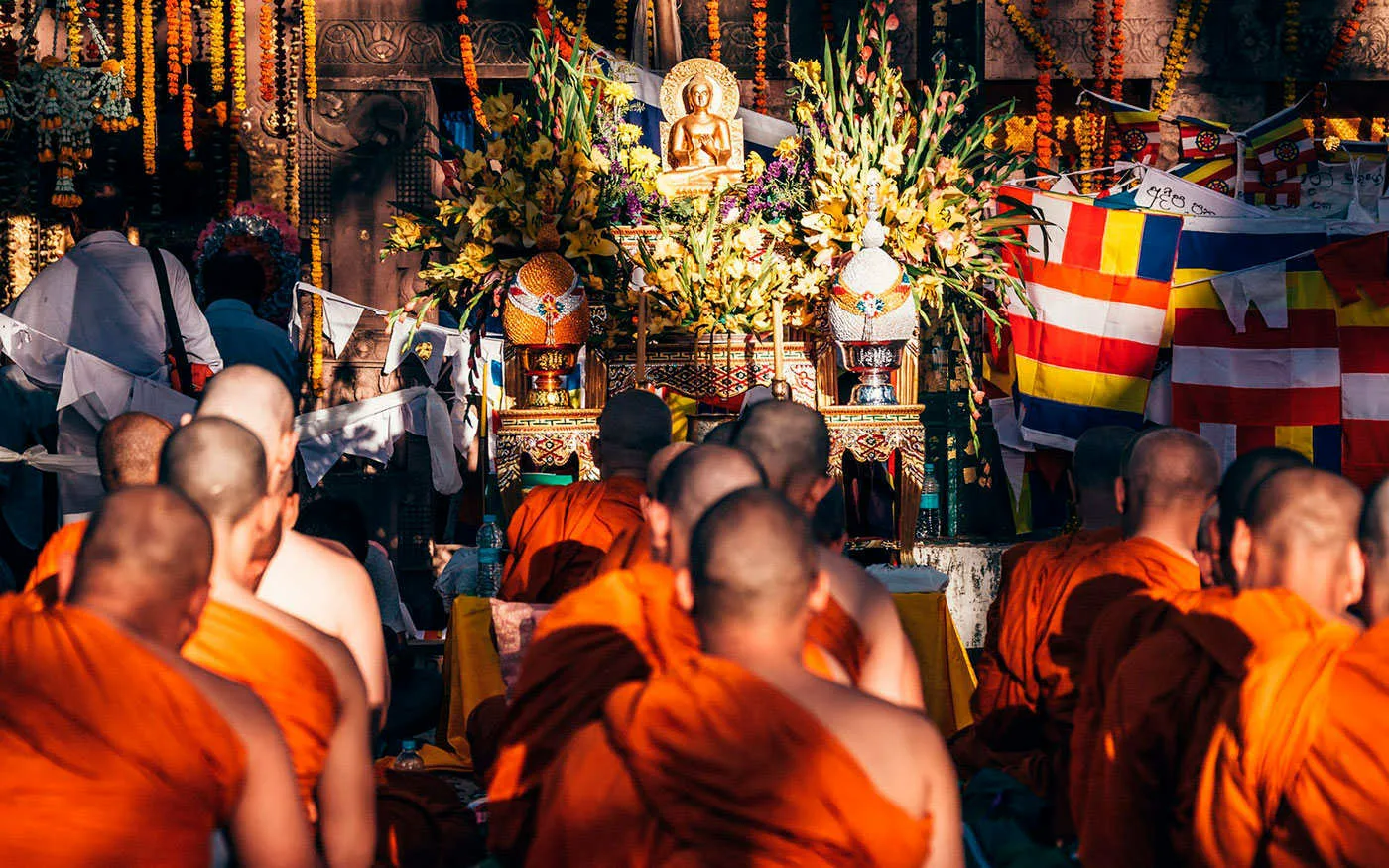
Spiritual Practices During the Pilgrimage
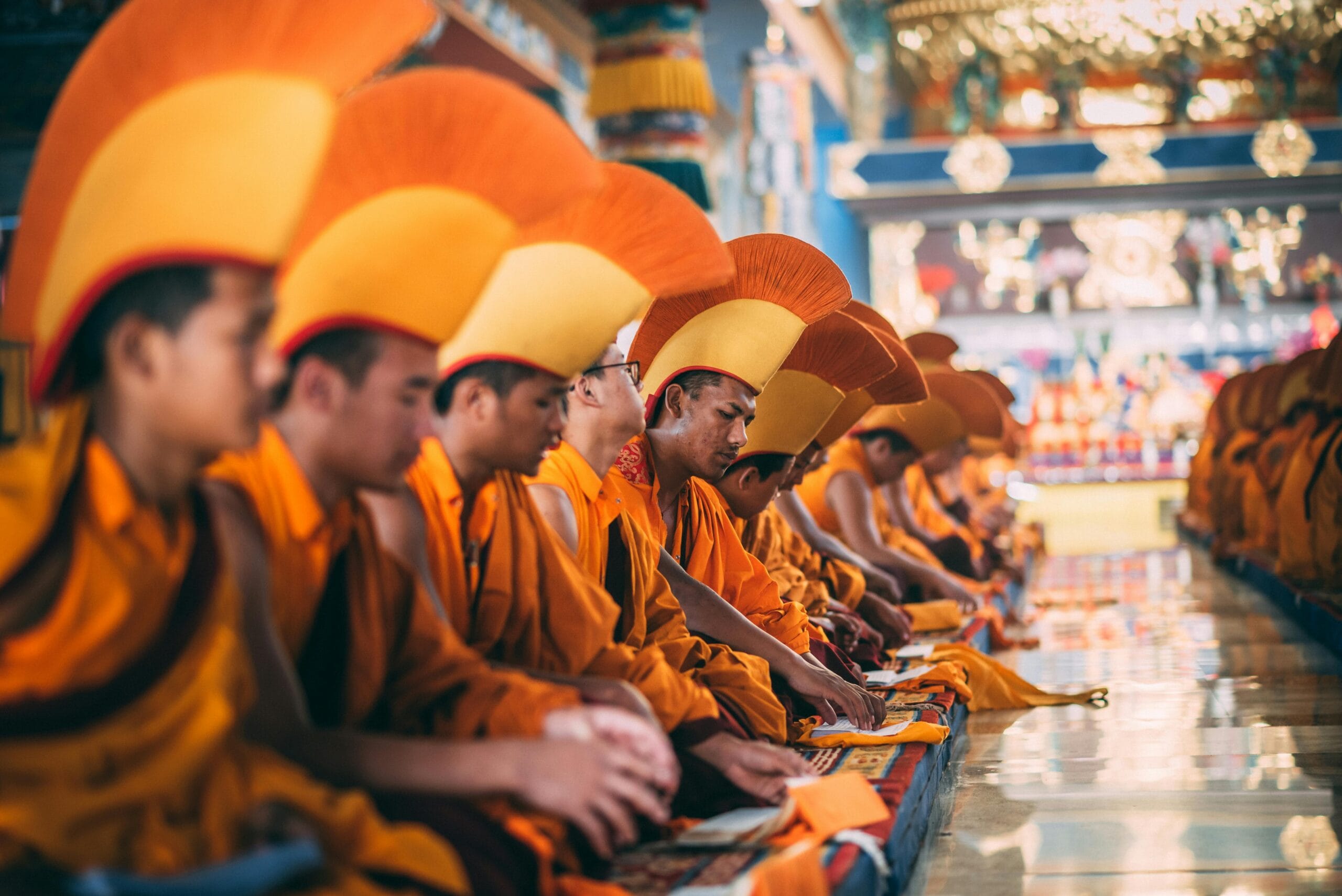
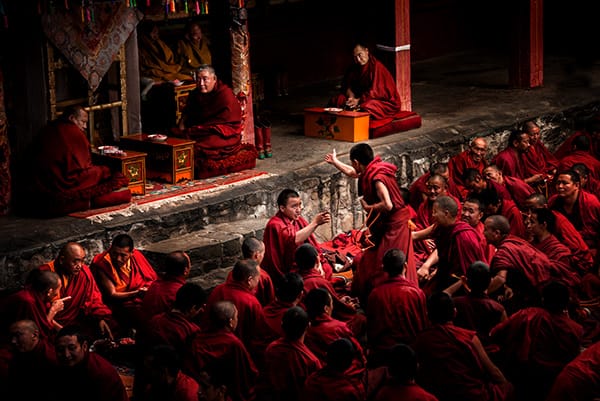
Pilgrimages in Nepal encompass various spiritual practices that enhance the experience and deepen understanding. These practices include:
Meditation
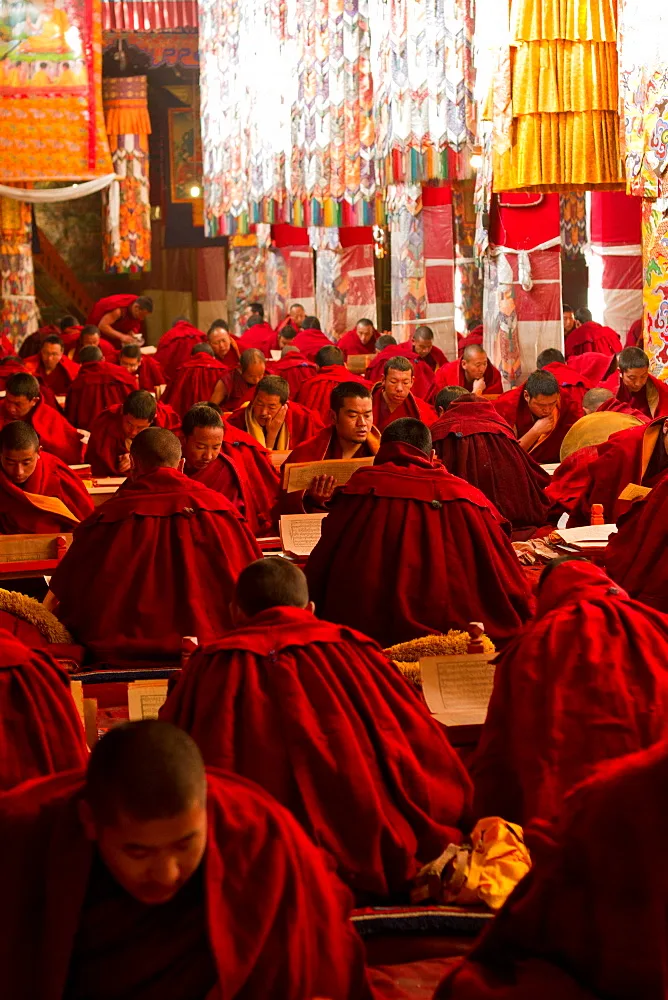
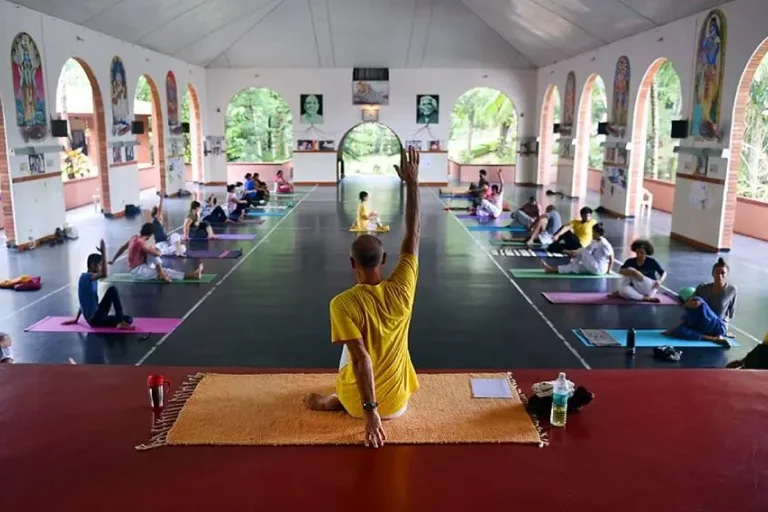
Meditation is a central aspect of Buddhist pilgrimage. Pilgrims often take time to sit in quiet contemplation at sacred sites, seeking to connect with the teachings of the Buddha and cultivate a sense of inner peace. Meditation can involve different techniques, including mindfulness practices, loving-kindness meditation (metta), and visualization exercises.
Prayer and Chanting
Reciting prayers and mantras is a powerful practice for many Buddhists. Pilgrims often chant traditional prayers, such as the “Om Mani Padme Hum,” while circumambulating stupas and other sacred sites. Prayer flags are also hung at various locations to spread blessings and positive energy.
Offerings
Making offerings is an integral part of the pilgrimage experience. Pilgrims may offer prayer items, such as incense, flowers, food, and candles. These offerings are a way to express gratitude and devotion to the Buddha and the teachings.
Rituals and Ceremonies
Participating in local ceremonies and rituals can enrich the pilgrimage experience. These may include joining in a puja (a prayer ritual) at a monastery, attending teachings or lectures, or participating in cultural events during festival seasons.
Transformation Through Pilgrimage
Physical Challenges
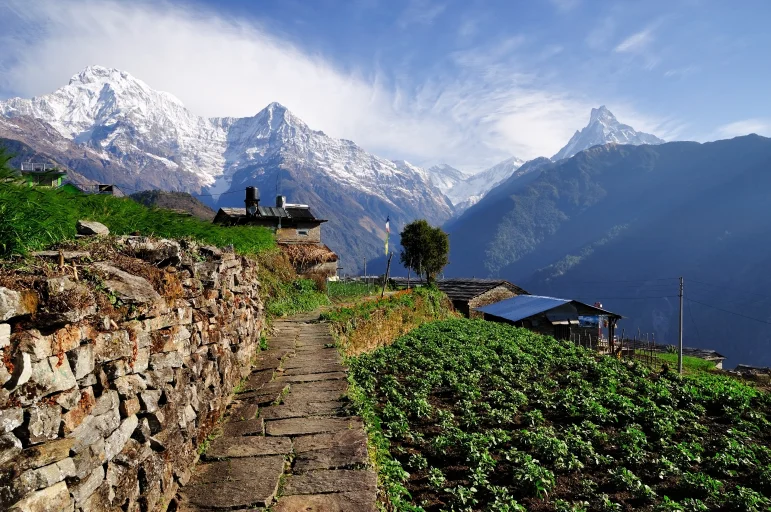
The physical journey of the pilgrimage often involves traversing uneven terrains, climbing steep hills, and enduring varying weather conditions. Such challenges can be seen as opportunities for growth, as pilgrims learn to overcome obstacles and persevere in their spiritual quests.
Inner Reflection
The time spent at sacred sites fosters an environment conducive to deep introspection. Pilgrims may reflect on their lives, relationships, and spiritual journeys, leading to transformative insights. Many pilgrims report feeling a heightened sense of clarity and purpose as they engage with the Buddha’s teachings.
Sense of Connection
The communal aspect of pilgrimage fosters a sense of connection among participants. Sharing experiences with fellow pilgrims creates bonds of friendship and understanding. This supportive environment enhances the overall journey toward spiritual awakening and growth.
Practical Tips for Pilgrims
Planning Your Journey
- Choose Your Route: Consider which sites resonate with you the most and plan your pilgrimage accordingly. Whether you prefer a shorter journey to Lumbini or a more extended trek to Namo Buddha, aligning the pilgrimage with personal intentions is essential.
- Research Cultural Practices: Familiarize yourself with local customs, rituals, and etiquette, as respecting cultural norms is vital in Buddhist traditions. Understanding the significance of sites will also enhance your experience.
Essential Gear
- Comfortable Footwear: Since pilgrimage often involves considerable walking, invest in high-quality trekking shoes or sandals suitable for various terrains.
- Appropriate Clothing: Dress modestly, respecting local customs, and wear clothing appropriate for the weather. Layering is essential for varying conditions in the Himalayas.
- Meditation Supplies: If you wish to meditate at sacred sites, consider bringing a lightweight cushion or mat, and a journal for reflecting on your experiences.
Health and Safety
- Stay Hydrated: Carry a reusable water bottle and drink plenty of fluids, especially when trekking higher altitudes.
- Acclimatization: If embarking on a longer pilgrimage that involves trekking, allow yourself time to acclimatize to higher elevations to avoid altitude sickness.
- Travel Insurance: Obtaining travel insurance that covers medical emergencies is advisable for any pilgrimage journey.
Conclusion
Buddhist pilgrimage in Nepal provides a profound opportunity for spiritual exploration, community connection, and personal transformation. The sacred sites, deeply rooted in the history and teachings of the Buddha, offer pilgrims a chance to reflect on their paths and engage in meaningful practices.
From the serene gardens of Lumbini to the majestic stupas of Boudhanath and Swayambhunath, each location holds unique significance and lessons. As pilgrims traverse these sacred spaces, they embrace challenges, celebrate community, and cultivate a deeper understanding of the Dharma.
Ultimately, a Buddhist pilgrimage in Nepal is not just a journey to sacred sites; it is a journey of the heart and mind—a chance to awaken to the interconnectedness of all beings and the profound teachings of compassion, mindfulness, and wisdom that the Buddha imparted. It is through these journeys that pilgrims can return home transformed, carrying the essence of their experiences into their daily lives and fostering spiritual growth for themselves and those around them.
By embracing the teachings and traditions of Buddhism, pilgrims can contribute to a culture of kindness, compassion, and understanding, making the journey not only personal but also a source of inspiration for others on their spiritual paths