Author: Ocular

  • Unveiling Sacred Sites of Türkiye: A Pilgrimage of The Ages

    Unveiling Sacred Sites of Türkiye: A Pilgrimage of The Ages

    Unveiling Türkiye’s Sacred Sites: An Accessible Journey for the Soul

    For centuries, travel has been more than a way to discover new destinations—it has served as a path to self-discovery and spiritual awakening. When we travel with purpose, stepping into unfamiliar environments, it opens a space for growth, reflection, and a deeper connection to the world around us. The concept of journeying—especially to places rich in history and spirituality—can lead to personal transformation. Türkiye, with its unique blend of ancient sites and profound traditions, offers an ideal setting for this kind of spiritual exploration.

    The Transformative Power of Spiritual Travel

    Travel has the remarkable ability to push us out of our routines and immerse us in new perspectives. Spiritual travel, in particular, invites moments of introspection and mindfulness, challenging us to look inward while simultaneously expanding our view of the world. The process of engaging with sacred spaces—whether through ancient ruins, natural wonders, or spiritual traditions—can become a powerful tool for personal growth.

    Türkiye offers a rare opportunity to experience such growth. Its cultural and historical depth makes it a place where exploration and reflection go hand in hand, allowing travelers to reconnect with themselves while exploring new horizons. The sacred sites throughout the country invite not just observation but contemplation, offering opportunities to reflect on one’s own journey in life.

    Why Türkiye? A Crossroads of Spirituality

    Türkiye is more than a travel destination—it is a bridge between worlds, both geographically and spiritually. Its unique position as a meeting point between East and West has shaped its history and culture into one of the richest spiritual landscapes in the world. The country’s ancient cities and sacred spaces offer a wealth of experiences for those seeking deeper meaning through their travels.

    A Blend of Cultures and Spiritual Traditions


    Türkiye’s deep history as a meeting ground of diverse cultures and religions creates a spiritually rich environment. The country is home to sacred sites from a range of spiritual traditions, from early Christian monasteries and ancient pagan temples to Islamic mosques and Sufi lodges. These places invite contemplation and provide an immersive experience in spirituality’s many forms. Whether visiting the sacred pond of Abraham in Şanlıurfa or the Mevlana Museum in Konya, each step offers a connection to centuries of spiritual wisdom.

    Ancient Monuments of Spiritual Significance

    Some of the world’s most ancient and significant spiritual sites are found in Türkiye. Göbekli Tepe, the oldest known temple complex, offers a glimpse into humanity’s earliest spiritual practices, while the ruins of Ephesus connect travelers to the ancient world. Visiting these sacred monuments offers a chance to reflect on humanity’s long-standing desire to seek meaning and connect with something larger than ourselves. These sites inspire reflection, providing both physical space and emotional context for personal growth.

    The Teachings of Rumi and Sufi Mysticism

    One of the most profound spiritual experiences in Türkiye is engaging with the teachings of the great
    Sufi mystic and poet Jalaleddin Rumi. His message of love, unity, and inward reflection resonates across cultures and time. Visiting Konya, where Rumi spent much of his life, offers the opportunity to learn about Sufism, a mystical branch of Islam focused on spiritual closeness to the divine. Witnessing the Whirling Dervishes perform their sacred dance is a moving reminder of the power of devotion, balance, and mindfulness in the spiritual journey.
    Balancing Exploration and Relaxation

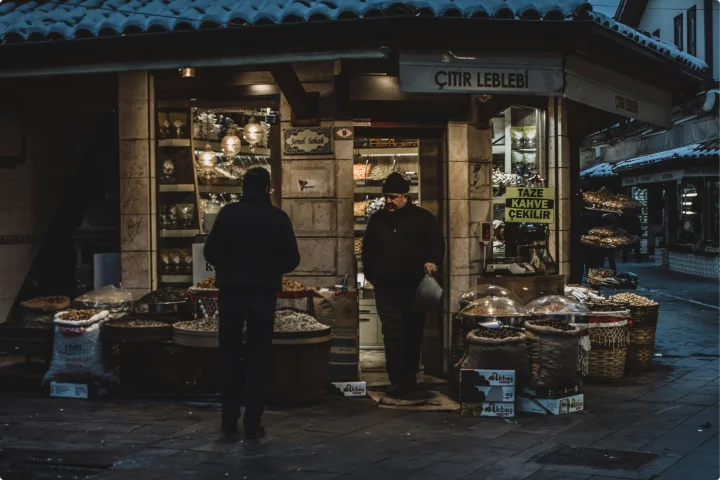
    Spiritual travel is not just about visiting sacred places; it also involves finding a rhythm that allows for both exploration and quiet reflection. Türkiye’s landscapes offer a harmonious balance of activity and stillness. After exploring the vibrant markets of Istanbul or the ancient ruins of Troy, there’s time to relax on the sunlit beaches of the Aegean or unwind in a traditional Turkish hammam. This blend of spiritual sites and natural beauty provides a well-rounded experience that supports both body and mind.

    A Welcoming Destination for Spiritual Seekers

    Türkiye is not only rich in history and spirituality but is also a welcoming and accessible destination for travelers from all over the world. Its modern infrastructure and hospitality ensure a comfortable journey, while its sacred sites offer a spiritual depth that resonates long after the journey ends.
    Spiritual seekers often find that traveling through Türkiye allows them to experience personal transformation. The country offers a space where deep reflection can occur, where you can take the time to explore new ideas and experiences, or simply find moments of peace amid stunning natural surroundings. Whether engaging with ancient philosophies, contemplating history’s greatest monuments, or simply enjoying the quiet of a beachside retreat, Türkiye provides an inviting backdrop for spiritual growth.

    Embrace Your Journey in Türkiye

    If you are searching for a travel experience that goes beyond sightseeing, Türkiye’s sacred sites offer a unique and enriching journey. Stepping into these ancient landscapes and engaging with their profound spiritual traditions offers a chance for personal growth, transformation, and connection. This is more than a vacation—it’s an invitation to explore the deeper parts of yourself, to reconnect with your spiritual path, and to find meaning through the experience of travel.
    Let Türkiye be the setting for your next great spiritual journey. Whether it’s through the wisdom of ancient civilizations, the teachings of mystical poets, or the quiet reflection of nature, this country offers an unparalleled opportunity to nourish your soul

    Unveiling Türkiye’s Sacred Sites: An Accessible Journey for the Soul

  • Indian Cuisine: A Culinary Journey to Wellness And Nourished Soul

    Indian Cuisine: A Culinary Journey to Wellness And Nourished Soul

    Table filled with a variety of delicious Indian dishes, featuring colorful curries, aromatic biryanis, naan bread, and vibrant chutneys, showcasing the richness of Indian cuisine

    Indian cuisine is a symphony of flavors, aromas, and textures, a testament to the country’s rich cultural heritage and diverse regional traditions. Beyond its tantalizing taste, Indian food offers a profound connection to health, wellness, and spirituality. Rooted in the ancient wisdom of Ayurveda and the concept of “sattvic” food, it nourishes the body and uplifts the soul.


    Ayurveda, India’s traditional system of medicine, views food as a powerful tool for healing and maintaining balance. It emphasizes the importance of choosing foods that align with one’s unique constitution (dosha) and the changing seasons.
    Six Tastes: Ayurveda recognizes six primary tastes – sweet, sour, salty, pungent, bitter, and astringent – and recommends incorporating all of them in moderation for a balanced diet.

    Indian Spices

    Ayurveda: The Science of Life and Food

    Digestive Fire (Agni): A strong digestive fire is essential for optimal health. Ayurveda suggests eating warm, cooked foods, spices like cumin and ginger, and avoiding heavy, processed foods.
    Seasonal Eating: Eating fresh, seasonal produce that is grown locally is encouraged to ensure maximum nutritional value and harmony with nature.

    Sattvic Food: Nourishment for the Body and Mind

    Sattvic food, often referred to as “pure” food, is a central concept in Ayurvedic and yogic traditions. It encompasses foods that are considered light, fresh, and easily digestible. Sattvic foods are believed to promote clarity, calmness, and overall well-being.
    Examples of Sattvic Foods: Fresh fruits and vegetables, whole grains, legumes, nuts, seeds, dairy products (in moderation), and herbs.
    Foods to Avoid: Meat, fish, eggs, onions, garlic, processed foods, refined sugars, caffeine, and alcohol.

    Indian Food

    The Spiritual Significance of Food in India

    Food is deeply intertwined with spirituality in India. It is offered to deities as prasad (blessed food), shared during festivals, and used in religious ceremonies. The act of preparing and consuming food is often seen as a sacred ritual.

    Health Benefits of Indian Cuisine

    Rich in Spices: Turmeric, cumin, coriander, ginger, and other spices are not only flavorful but also boast powerful anti-inflammatory and antioxidant properties.
    Abundance of Vegetables: Many Indian dishes are vegetable-based, providing a wide array of nutrients and fiber.
    Focus on Whole Grains: The use of whole grains like brown rice, millet, and quinoa supports healthy digestion and sustained energy levels.
    Limited Processed Foods: Traditional Indian cuisine favors fresh, whole ingredients over processed foods, reducing the intake of unhealthy fats, sugars, and additives.

    Conclusion

    Indian cuisine is a culinary adventure that delights the senses and nourishes the body, mind, and spirit. By embracing the principles of Ayurveda and incorporating sattvic foods into your diet, you can experience the transformative power of food as medicine.

    Indian food
  • Sivananda Ashram, Discover Authentic Ayurveda and Yoga Retreat

    Sivananda Ashram, Discover Authentic Ayurveda and Yoga Retreat

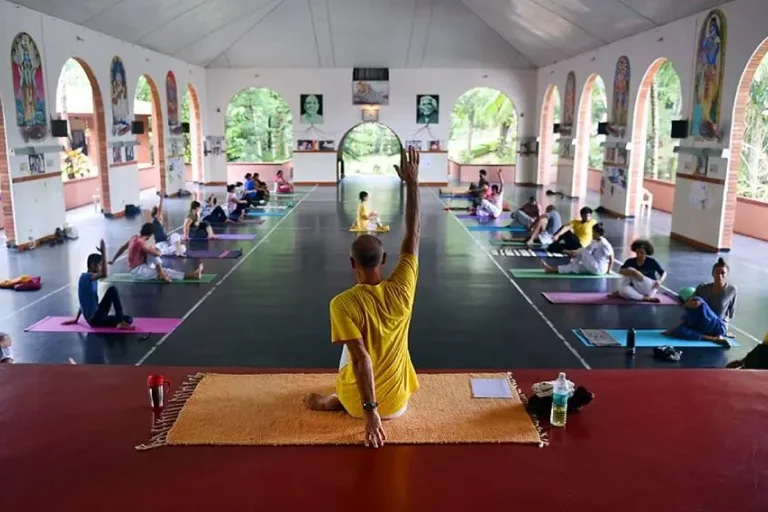
    Group yoga session at Sivananda Ashram, featuring participants practicing yoga poses in a serene and spiritual environment, emphasizing mindfulness and inner peace

    Sivananda Ashram Discover Yoga

    In the serene landscapes of Kerala, India, lies a sanctuary of healing and holistic well-being – the Sivananda Ashram. Here, the ancient wisdom of Ayurveda and the transformative power of yoga converge to offer a truly rejuvenating experience for those seeking to harmonize their mind, body, and spirit.

    SIVANANDA YOGA | TEACHINGS AND LINEAGE

    The teaching lineage of the Sivananda Yoga Vedanta Ashrams & Centres, India can be traced back many hundreds of years to the great sage Adi Sankaracharya who unified the diverse spiritual practices prevalent at the time into a cohesive system based on the Upanishads of the Four Vedas. The teachings have been passed from guru to disciple in an unbroken chain to the present day and are the mainstay of the teachings of our organisation.

    Sivananda Ashram Discover Yoga

    Understanding Ayurveda: The Science of Life

    Ayurveda, often translated as “the science of life,” is a comprehensive system of traditional medicine that originated in India over 3,000 years ago. It emphasizes a holistic approach to health, recognizing the interconnectedness of physical, mental, emotional, and spiritual well-being.

    Key Principles of Ayurveda:

    Doshas: Ayurveda identifies three fundamental energies or doshas – Vata, Pitta, and Kapha – that govern bodily functions and influence individual constitution.
    Balance: Health is achieved by maintaining a harmonious balance of the doshas. Imbalances can lead to illness.
    Personalized Treatment: Ayurvedic therapies are tailored to each individual’s unique constitution and specific needs.
    Natural Remedies: Ayurveda utilizes herbs, diet, lifestyle modifications, and various therapies to restore balance and promote health.

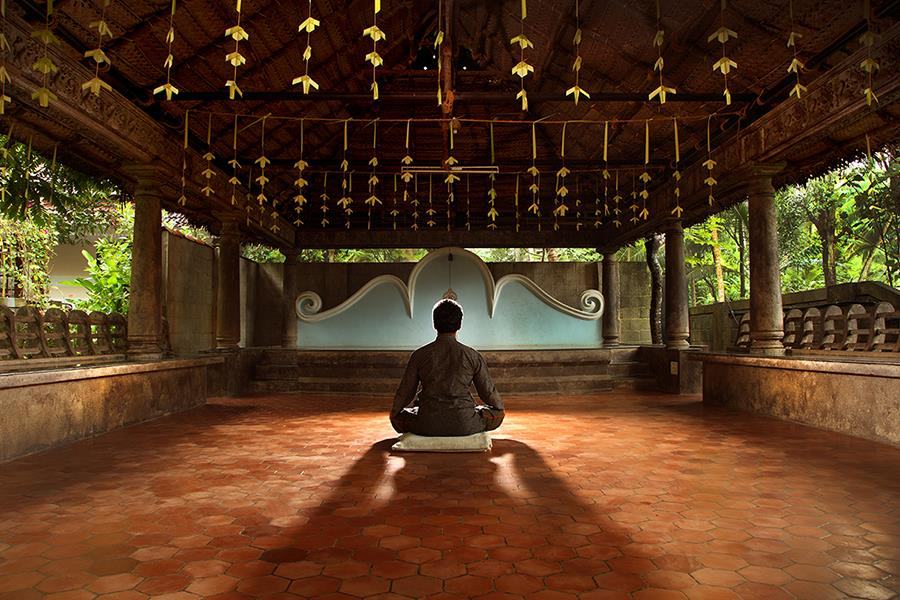
    A serene image of a man meditating at Sivananda Ashram, Kerala, India, surrounded by tranquility and nature, embodying spiritual focus and mindfulness

    The Transformative Power of Yoga

    Yoga, a sister science to Ayurveda, is a holistic practice encompassing physical postures (asanas), breathing exercises (pranayama), meditation, and ethical principles. Yoga complements Ayurvedic treatments by enhancing flexibility, strength, and vitality, while fostering inner peace and mental clarity.

    The Sivananda Ashram Experience

    Nestled amidst lush greenery, the Sivananda Ashram provides an idyllic setting for immersive Ayurveda and yoga retreats. Guests can expect:
    Authentic Ayurvedic Treatments: Experience personalized consultations, pulse diagnosis, panchakarma (detoxification), herbal therapies, and rejuvenating massages tailored to your individual needs.
    Daily Yoga and Meditation Classes: Join invigorating yoga sessions led by experienced instructors, catering to all levels, and deepen your practice with guided meditation.
    Wholesome Ayurvedic Cuisine: Savor delicious, nourishing meals prepared with fresh, seasonal ingredients that balance the doshas and support overall health.
    Educational Workshops: Learn about Ayurvedic principles, yoga philosophy, and practical tips for incorporating these practices into your daily life.

    Benefits of Ayurveda and Yoga Retreats

    Stress Reduction: Release tension, calm the mind, and cultivate deep relaxation.
    Improved Physical Health: Enhance flexibility, strength, digestion, and overall vitality.
    Mental Clarity: Sharpen focus, increase self-awareness, and promote emotional balance.
    Spiritual Growth: Connect with your inner self, explore your purpose, and experience a sense of peace.
    Conclusion
    Embark on a transformative journey of healing and self-discovery at the Sivananda Ashram in Kerala. Through the combined power of Ayurveda and yoga, you’ll rediscover your natural state of balance, well-being, and inner peace.

    Ashram Etiquette

    Ashram De Yoga Sivananda is an ashram with a very special spiritual atmosphere. To be here is to share in the practice together, honoring both our highest selves and that of others. In order to truly tap into all the rejuvenating effects, we encourage everyone to attend both Satsangs and yoga classes daily

    Sivananda Ashram, also known as the Sivananda Yoga Vedanta Centers, is a spiritual organization founded by Swami Sivananda in the early 20th century. The main ashram is located in Rishikesh, India, nestled in the foothills of the Himalayas along the banks of the Ganges River. This serene setting attracts thousands of visitors each year seeking spiritual growth, yoga training, and meditation practices.

  • Self Discovery in the Himalayas: The Journey Of A Hero!

    Self Discovery in the Himalayas: The Journey Of A Hero!

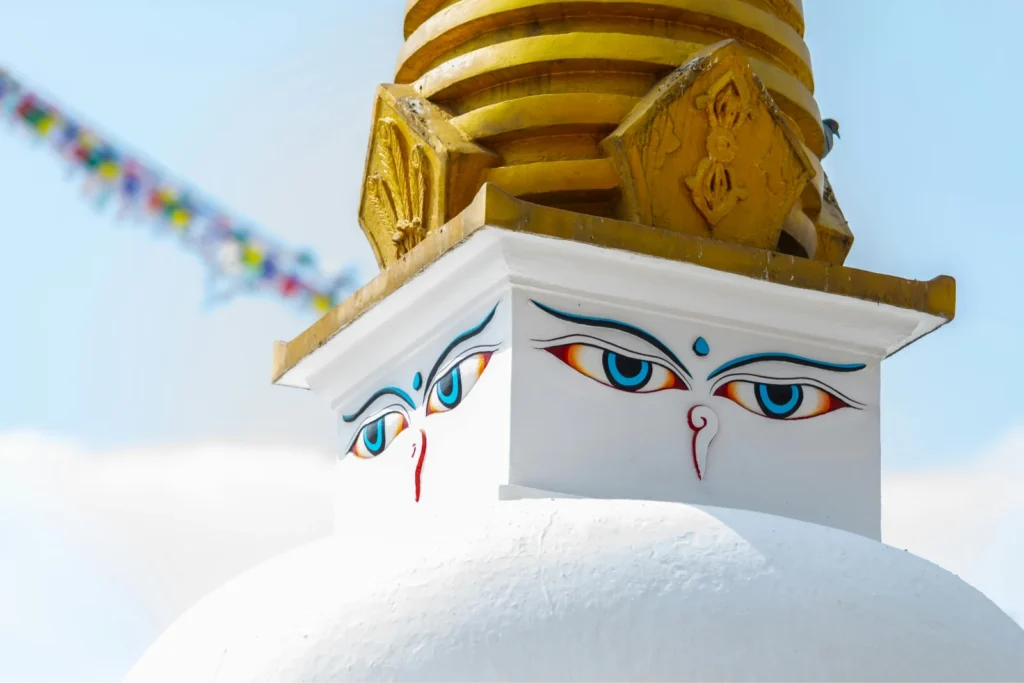
    The eyes of Buddha on a stupa

    Self Discovery in the Himalayas

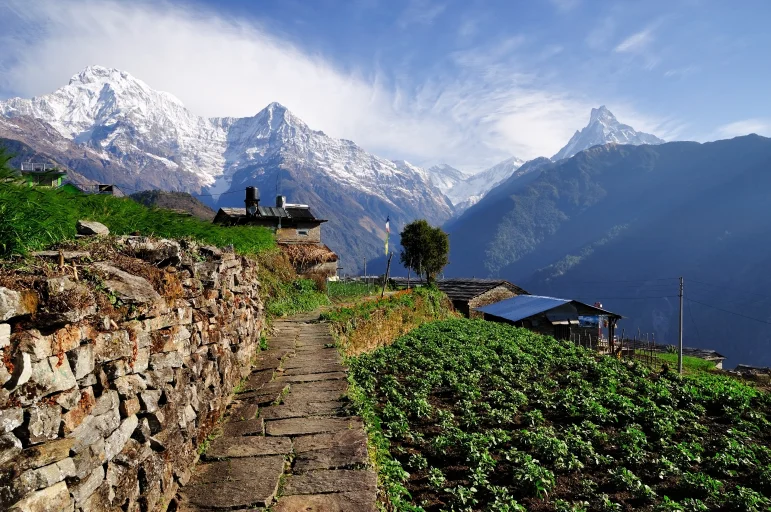
    The Himalayas, a towering testament to nature’s grandeur, have long been revered as a sacred land where the physical and spiritual realms intertwine. Following in the footsteps of the Buddha, who attained enlightenment amidst these peaks, countless seekers have embarked on pilgrimages to discover inner peace, self-understanding, and a deeper connection to the universe.

    The Buddha’s Path: A Blueprint for Self-Discovery

    The Himalayas hold immense significance in Buddhism. It was here, under the Bodhi tree in Bodh Gaya, that Siddhartha Gautama achieved enlightenment and became the Buddha. His teachings, centered on the Four Noble Truths and the Eightfold Path, offer a profound blueprint for self-discovery and the cessation of suffering.

    Trekking for Inner Peace

    Trekking in the Himalayas is more than just a physical challenge; it’s a journey inward. The rhythmic pace of each step, the breathtaking vistas, and the raw power of nature create a conducive environment for introspection and self-reflection. As you ascend higher, you shed the burdens of everyday life and open yourself to new perspectives.

    Key Destinations for Spiritual Seekers:

    Lumbini, Nepal: The birthplace of the Buddha, Lumbini is a UNESCO World Heritage Site and a major pilgrimage destination. Explore the sacred gardens, ancient monasteries, and the Maya Devi Temple where the Buddha was born.
    Bodh Gaya, India: Witness the Mahabodhi Temple, a UNESCO World Heritage Site marking the spot where the Buddha attained enlightenment. Meditate under the Bodhi tree, a direct descendant of the original tree.
    Dharamshala, India: Home to the Dalai Lama and the Tibetan government-in-exile, Dharamshala offers a rich tapestry of Tibetan Buddhist culture. Visit monasteries, attend teachings, and immerse yourself in the serene atmosphere.

    Spiritual Practices​

    Meditation and Yoga:

     Many people travel to the Himalayas to engage in meditation and yoga retreats, which help cultivate mindfulness and inner peace.

    Pilgrimages:

     Visiting sacred sites such as Lhasa, Varanasi, or various ashrams can deepen spiritual connections and foster a sense of purpose.

    The Himalayas: A Source of Spiritual Inspiration

    The Himalayas, often referred to as the “abode of the gods,” exude a palpable spiritual energy. The towering peaks, pristine lakes, and ancient monasteries create a sense of awe and reverence that awakens the soul.

    Challenges and Growth

    Physical Challenges: Trekking or mountaineering tests physical limits and can lead to greater resilience and confidence.
    Emotional Exploration: Facing challenges in isolation can bring up emotions and thoughts that lead to self-discovery.

    Cultural Immersion

    Engaging with Local Communities:

     Interacting with indigenous cultures can provide valuable insights into different ways of living and thinking, emphasizing simplicity and spirituality.

    Learning from Ancient Traditions: 

    The region’s rich history of Buddhism and Hinduism offers lessons on compassion, detachment, and self-realization.

    Connecting with Nature:

    The Himalayas provide a pristine natural environment where you can disconnect from the distractions of modern life and reconnect with the rhythms of nature. Breathe in the fresh mountain air, listen to the sound of rushing rivers, and feel the earth beneath your feet.

    Finding Light in the Shadows: The Himalayas’ Wisdom

    In the majestic heights of the Himalayas, where the world meets the sky, a powerful reminder emerges: even in our darkest moments, there is always a path toward healing and hope. The vast landscapes, with their towering peaks and serene valleys, invite us to reflect on our struggles and find strength within.

    Finding Inner Peace:

    The serenity of the mountains and the stillness of the air create a perfect setting for meditation and contemplation. As you quiet your mind and focus your attention on the present moment, you may experience a profound sense of inner peace.
    Conclusion:
    Trekking in the Himalayas on the Buddha’s path is a transformative experience that goes beyond physical adventure. It’s a pilgrimage of self-discovery, a journey into the heart of spirituality, and an opportunity to connect with the timeless wisdom of the Buddha and the majestic spirit of the mountains.